
Is “Healthy Food” Becoming a Supply Chain Problem, Not a Marketing One?
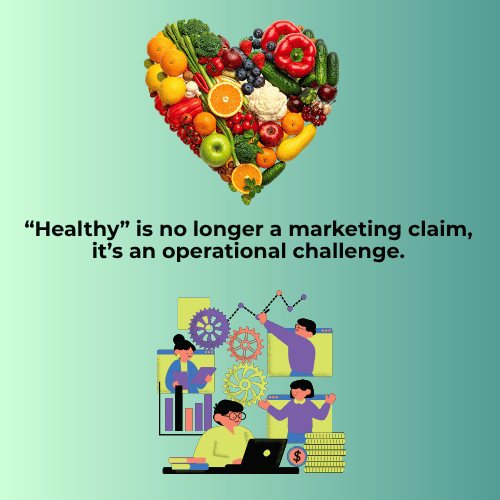
Table of Contents 1. Introduction Over the last few years, the food industry has seen a massive shift. Earlier, brands could simply label their products as “healthy” and attract customers. But today, things are changing rapidly. With new global regulations and smarter consumers, “healthy” is no longer just a marketing word — it has become a business responsibility. This raises an important question:Is healthy food becoming a supply chain problem rather than a marketing one? 2. The Shift in “Healthy” Food Marketing Traditionally, marketing teams had the power to position a product as healthy through packaging, messaging, and advertising. But today: This means brands can no longer rely only on storytelling. They must prove it. This is where the concept of a healthy food supply chain problem starts emerging. 3. Why Supply Chain is Now the Real Challenge To call a product “healthy,” brands must now: This is not easy. A small change in ingredients can affect: For example, many brands that tried switching to natural ingredients faced issues like: This clearly shows that healthy food is now a supply chain problem, not just a branding decision. 4. The Hidden Cost of Being “Healthy” Many founders underestimate what it takes to build a truly healthy product. Here are the real challenges: 1. Ingredient Sourcing Healthy ingredients are often: 2. Vendor Reliability If suppliers fail, your product quality drops.And in the “healthy” category, trust once broken is hard to rebuild. 3. Pricing Pressure Consumers want healthy products — but at affordable prices.Balancing cost and quality becomes a major challenge. This is why many brands struggle — they treat it as a marketing upgrade instead of a supply chain transformation. 4. Where Most Brands Go Wrong One of the biggest mistakes brands make is: They change packaging before fixing the product. They: But internally: This leads to a dangerous situation: Short-term growth, long-term failure. As we discussed in our previous article on SEO strategies for Pune startups, visibility can bring traffic — but only a strong product can sustain growth. 6. What Smart Brands Are Doing Differently Smart brands understand that branding starts from the backend. Instead of rushing to market, they focus on: 1. Product First Approach They invest in: 2. Strong Supply Chain Systems They build: 3. Transparent Communication Once the system is strong, they communicate: These brands don’t just market “healthy” — they build it into their system. 7. Strategic Takeaways for Businesses If you are building a food brand or working with one, here are key insights: 1. Healthy is Becoming a Baseline Soon, every brand will claim to be healthy.So it will no longer be a differentiator. 2. Backend is the New Branding Your: …will define your brand more than ads. 3. Marketing Cannot Fix a Weak Product No matter how strong your campaign is,if the product fails — the brand fails. 4. Think Long-Term, Not Campaign-Based Instead of asking:“How do we market this?” Start asking:“Is our product ready to be marketed?” 5. Align Strategy Across Functions The future belongs to brands that align: This is exactly where strategic agencies like Black Buck Design Studios bring value — by ensuring clarity before creativity 8. Conclusion The definition of branding is changing. It is no longer just about: It is about: So, is healthy food a supply chain problem? Yes — and that’s the opportunity.Brands that invest in strong systems will win.Brands that rely only on marketing will struggle. In the coming years, the biggest competitive advantage won’t be creativity alone. It will be the ability to align: Product + Supply Chain + Communication Because in today’s world: Your backend is your brand.
Digital Marketing Salaries in 2026: What Actually Pays in India
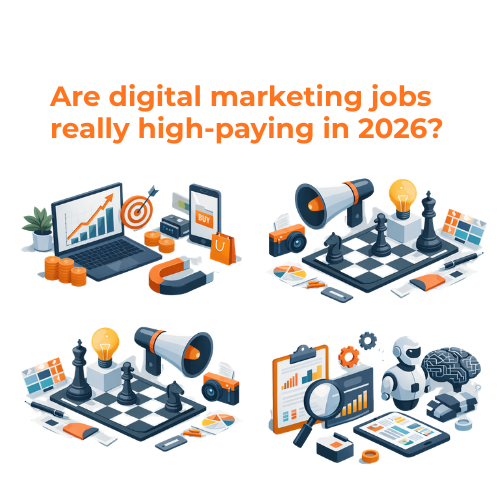
Table of Contents 1. Introduction: The Reality of Digital Marketing Salaries Digital marketing is often seen as a high-paying career. But the truth is different. Not every role in digital marketing pays well. Some people earn ₹3 lakh per year, while others earn ₹30 lakh or more. The difference is not just experience or effort—it is the impact on business growth. In 2026, companies are not paying for activity. They are paying for results. If you understand this clearly, you can make better career decisions. And if you are a founder, you can hire the right people. 2. What Decides Salary in Digital Marketing Let’s simplify this. In digital marketing, salary depends on one thing: How much revenue you can influence For example: Both are important, but the second role directly affects revenue. So, companies are ready to pay more. This is where many professionals and founders make mistakes. They focus on tasks instead of outcomes. This idea is also connected to something very important for founders. In our article on “7 Things Every Founder Must Understand Before Building a Brand,” one key point is clarity. If a founder does not have clarity about business goals, even the best digital marketing will not work. 3. High-Paying Roles in Digital Marketing Instead of listing random job titles, let’s understand categories. A. Revenue-Driven Roles (Highest Paying) These roles directly impact sales and growth. Examples: Salary (India):₹8 lakh to ₹40 lakh+ Why they get paid more:Because they control: Real example:Most D2C brands invest heavily in performance marketing because their survival depends on scaling fast. B. Brand & Strategy Roles (Long-Term Value) These roles focus on positioning and communication. Examples: Salary (India):₹6 lakh to ₹25 lakh+ Why they matter:They: Insight:If your brand is strong, you spend less on ads over time. This again connects to the founder mindset. In the “7 Things Every Founder Must Understand Before Building a Brand” article, positioning is critical. Without it, even strong digital marketing campaigns fail. C. Technical & Data Roles (Hidden Growth Drivers) These roles work behind the scenes. Examples: Salary (India):₹5 lakh to ₹20 lakh+ Why they are important:They: Example:Improving conversion rate from 2% to 3% can increase revenue significantly without increasing ad spend. 4. Salary Comparison: Agency vs Startup vs Corporate This is where real clarity comes in. Type Salary Range Nature of Work Agency ₹3L – ₹12L Fast learning, multiple clients Startup/D2C ₹6L – ₹35L+ High pressure, high growth Corporate ₹8L – ₹30L Stable, structured Key Insight: From a founder’s perspective, this matters a lot. If you are building a brand, you need people who can execute and adapt fast, not just follow processes. 5. Skills That Will Pay More in 2026 Now let’s focus on what actually matters. If someone wants to grow in digital marketing, these are the skills that will pay: Important point:These are not just skills. These are business growth tools. Digital marketing is no longer about posting content. It is about solving business problems. 6. What Founders Must Understand Before Hiring This is where most businesses make mistakes. They hire: But they don’t define the outcome. Result: No growth. Before hiring for digital marketing, founders must understand: This is exactly why the article “7 Things Every Founder Must Understand Before Building a Brand” is important. Because without: Even the best digital marketing strategies will fail. Simple truth:Marketing cannot fix a weak foundation. 7. Final Takeaway In 2026, digital marketing is not about tools or platforms. It is about impact. The highest-paid professionals will not be: They will be the ones who can connect: Digital Marketing → Revenue → Business Growth Whether you are a professional or a founder, ask yourself: Are you focusing on activities… or outcomes? Because in digital marketing, your income—and your business growth, depends on that answer.
7 Things Every Founder Must Understand Before Building a Brand
Table of Content What Problem Are You Solving? Who Is Your Exact Customer? Understand the Competition What Makes You Different Packaging Is Your Silent Salesperson Clear and Consistent Communication Your Purpose: The ‘Why’ Behind the Brand 1. What Problem Are You Solving? Every successful brand begins with a clear problem. If there is no real problem, people have no reason to buy your product. Your brand must answer a simple question: what difficulty are you solving for people? When a product solves a real problem, customers quickly understand its value. A good example is Uber. Before Uber, getting a taxi in many cities was difficult. People often had to wait a long time, they did not know when the taxi would arrive, and the price was often unclear. Uber solved these problems with a simple mobile app. You could book a ride, see the driver, track the car, and know the price before the trip started. The brand became powerful because it solved a real and common problem. Every founder should ask these questions: If the problem is clear, the brand foundation becomes strong. 2. Who Is Your Exact Customer? A common mistake businesses make is trying to sell to everyone. But a brand for everyone usually becomes a brand for no one. You must clearly know who your product is made for. Think about the age group, lifestyle, needs, and interests of your customers. Nike is a great example. Nike does not simply sell shoes to everyone who needs shoes. Nike speaks mainly to people who care about sports, fitness, and performance. Their communication is always about pushing limits, improving performance, and achieving goals. Their famous line “Just Do It” connects strongly with people who want to challenge themselves. Because Nike knows exactly who their customer is, their branding becomes powerful and focused. When building your brand, clearly define your customer group. The more clearly you understand your audience, the easier it becomes to design your product, message, and marketing. 3. Understand the Competition Before entering a market, it is important to understand the brands that already exist there. Customers usually remember only a few brands in each category. In soft drinks, most people think of Coca‑Cola or Pepsi. In smartphones, many people think of Apple or Samsung. This means when a new brand enters the market, it must understand the competition carefully. You need to study what the leading brands are doing well and where opportunities still exist. Paper Boat is a good example from India. The market already had many juice brands. But Paper Boat introduced traditional Indian drinks like Aam Panna, Jaljeera, and Kokum. Their brand story focused on childhood memories and Indian culture. Because they created a unique position, customers noticed the brand quickly. The lesson is simple: do not enter a market blindly. Study the market first. 4. What Makes You Different? If your brand looks the same as every other brand, people will not remember it. Your brand must clearly answer one question: why should someone choose you instead of another option? Your difference could come from quality, innovation, customer experience, or a completely new idea. Apple is a great example. Many companies sell smartphones, but Apple focused on design, simplicity, and a premium experience. Their products look clean, work smoothly, and connect easily with other Apple devices. Because the brand clearly stands for something different, customers are willing to pay more. Every brand needs a strong reason to exist. Differentiation helps customers remember your brand and trust it. 5. Packaging Is Your Silent Salesperson When customers stand in front of a store shelf, they see many products together. Your packaging has only a few seconds to attract attention. Good packaging acts like a silent salesperson. It communicates quality, builds trust, and helps the customer recognize the brand. Amul Butter is a great example. The famous Amul girl and the bright colors have remained consistent for many years. Even from a distance, people can easily recognize the brand. Paper Boat is another example. Their soft pouch packaging looks very different from traditional juice cartons. Because of this unusual design, people notice the product quickly. Packaging is not just decoration. It is an important marketing tool that influences buying decisions. 6. Clear and Consistent Communication Strong brands communicate a clear message again and again. Consistency helps customers remember what the brand stands for. Your message appears in advertisements, social media, packaging, website content, and brand stories. All these touchpoints should communicate the same core idea. Fevicol is a great example. For many years, Fevicol advertisements have focused on one simple message: strong bonding. Their ads are humorous and memorable, but the core message always remains the same. Because they repeat the same idea in different creative ways, the brand stays in people’s minds. Consistency builds memory. And memory builds a strong brand. 7. Your Purpose: The ‘Why’ Behind the Brand The most powerful brands stand for something bigger than just selling products. They have a purpose. A purpose explains why the brand exists and what positive impact it wants to create in the world. Tesla is a good example. Tesla is not only selling electric cars. Its mission is to accelerate the world’s transition to sustainable energy. Because the purpose is bigger than the product, many people feel emotionally connected to the brand. Another example is TOMS Shoes. Their promise was simple: for every pair of shoes sold, they would donate a pair to someone in need. This created a strong emotional connection with customers. When customers believe in your purpose, they support the brand more strongly. Final Thoughts Building a brand is not only about design. It begins with clarity and strategic thinking. Before launching a brand, every founder should understand seven important foundations: the problem you are solving, the customer you are serving, the competition in the market, your clear differentiation, strong packaging, consistent communication, and a meaningful purpose. When these foundations are clear, marketing becomes easier, customers trust the brand
Packaging Is No Longer Just a Wrapper: A Founder’s Perspective on Modern Packaging
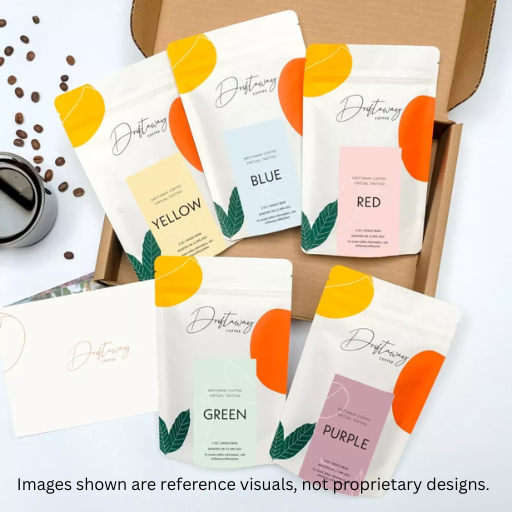
Packaging today is no longer about only protecting a product. It has become a strategic business tool that impacts sustainability, shelf life, logistics, branding, and consumer trust.From the founder’s point of view at Black Buck Design Studios, after working on more than 750 packaging designs across FMCG, fresh produce, dairy, and food brands, one thing is very clear:Good packaging does not happen by accident — it is designed with purpose. From Cost Centre to Growth Driver In India, packaging was earlier seen mainly as a cost. Brands focused on minimum material, basic printing, and short-term savings. But the market has changed. Today’s consumer looks for: At the same time, retailers demand less wastage, better stacking, and faster movement. This is where modern packaging innovation plays a key role. As Steve Jobs once said: “Design is not just what it looks like and feels like. Design is how it works.” This thought applies perfectly to packaging. Automation Is Redefining Produce Packaging Globally, especially in Europe, automation has already changed how fresh produce is packed. India is now moving in the same direction. A strong example is how companies like 4HM Solutions introduced automated systems from Italy’s Frutmac. These machines package fruits into sustainable cardboard trays at a speed that traditional pouch systems cannot match. Why does this matter? From a design and strategy perspective, automation forces brands to simplify packaging structures, making design clarity even more important. Sustainability Is No Longer Optional In India, sustainability was once treated as a “premium feature.” Today, it is becoming a basic expectation, especially in urban and export-driven brands. Globally, companies like MULTIVAC Group are reducing plastic usage through mono-material films and paper-based solutions. Others, like Sinclair, have moved toward compostable fruit labels. From the founder’s experience, the biggest mistake Indian brands make is: choosing sustainable material without redesigning the structure. True sustainability works only when: are planned together. As Peter Drucker rightly said: “The best way to predict the future is to create it.” Brands that design sustainability into packaging early will lead the market later. Shelf Life and Quality: The Silent Business Killer One of the most common problems seen across fresh produce, dairy, and ready-to-eat categories is short shelf life. Poor packaging leads to: Innovations like modified atmosphere packaging (MAP) and moisture-control designs are now solving real problems, not just adding features. For example, packaging concepts that separate product from excess liquid significantly improve product appearance and shelf life. From a branding angle, this also builds trust — because the product looks fresh till the last day. From 750+ packaging projects, one insight stands out: Consumers may forgive a higher price, but they do not forgive poor quality. Design Still Matters — Even More Than Before Automation and sustainability do not reduce the role of design. In fact, they increase it. With fewer materials and simpler structures: Packaging today must communicate: This is where strategic packaging design connects branding with business outcomes. What Indian Brands Should Focus on Next From a founder’s practical experience, here are four clear priorities for Indian brands: Packaging is no longer a backend decision. It sits at the intersection of marketing, operations, and consumer experience. Packaging today decides: After working on hundreds of packaging projects, one belief remains strong:great packaging does not shout — it works silently, consistently, and honestly.From: Black Buck Design Studios Brands that understand this will not just sell more. They will last longer.
Packaging Design Trends 2026
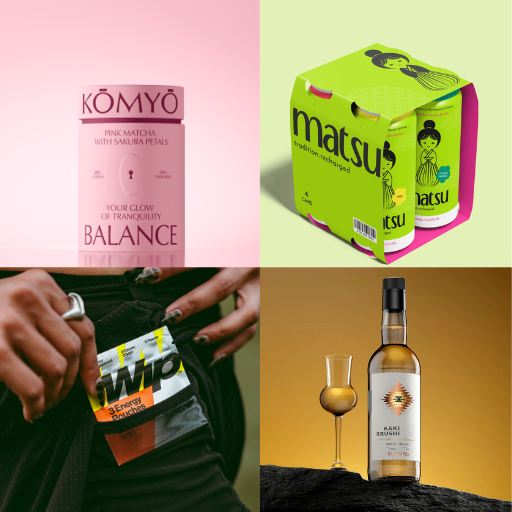
A Practical Guide for Modern Brands Packaging today is no longer just about protecting a product; it is also about enhancing the overall experience. It plays a major role in attracting customers, building trust, and influencing buying decisions. In 2026, customers have limited attention, too many choices, and higher expectations. If your packaging looks confusing, wasteful, or outdated, people will ignore it. That’s why understanding packaging design trends in 2026 is important—not for design trends alone, but for real business growth. 1. Purpose-Driven Minimal Packaging Minimal packaging continues to grow in 2026, but with a clear purpose. Brands are removing unnecessary elements and focusing only on what matters. Real-life example: For PURO Turmeric, we used purpose-driven minimal design to clearly communicate product benefits, improve shelf visibility, and create a premium yet approachable brand presence. Problem it solves: Business benefit: Cost & sustainability benefit: Minimal packaging saves money, time, and resources. 2. Human-Centred & Authentic Packaging Customers today prefer brands that feel honest and real rather than overly polished. Real-life example: For Two Brothers, here used real visuals, earthy colours, and farm-inspired illustrations to reflect honesty, tradition, and the handcrafted nature of the product. Problem it solves: Business benefit: Cost & sustainability benefit: 3. Bold & Clear Typography In 2026, typography is becoming the main design element. Big, bold, and readable text helps customers understand products quickly. Real-life example: Balaji Bakers uses bold product names and playful typography to grab attention instantly, improve shelf visibility, and help customers recognise the product at a glance. Problem it solves: Business benefit: Cost & sustainability benefit: Good typography can replace expensive visuals. 4. Interactive & Digital-Friendly Packaging Packaging is now connecting offline products with online experiences. Real-life example: For Two Brothers, we used real product visuals along with QR codes that lead to recipe videos, brand stories, and social media—creating a more engaging and informative packaging experience. Problem it solves: Cost & sustainability benefit: Digital integration reduces paper usage and redesign costs. 5. Sustainable & Eco-Friendly Packaging Sustainability is no longer optional in 2026. Customers actively choose brands that care about the environment. Real-life example: Brands shifting from plastic to paper pouches, glass jars, or recyclable cartons. Problem it solves: Business benefit: Cost & sustainability benefit: Sustainability is not a cost—it’s future-proofing your brand. 6. Data-Informed Packaging Decisions Brands are now using customer feedback and sales data to improve packaging performance. Real-life example: E-commerce brands improving unboxing experience after customer reviews highlight packaging issues. Problem it solves: Business benefit: Cost & sustainability benefit: Data-driven design prevents costly mistakes. 7. Consistent Branding Across All Platforms Packaging is one part of a brand’s ecosystem. It must match your website, social media, and advertising. Real-life example: Customers instantly recognise a brand because the packaging looks the same across online and offline platforms. Problem it solves: Business benefit: Cost & sustainability benefit: Conclusion Packaging design trends in 2026 focus on clarity, honesty, sustainability, and usability. Packaging is no longer just a container—it’s a powerful branding and sales tool. Brands that invest in thoughtful, simple, and purposeful packaging will stand out in a crowded market while reducing costs and supporting sustainability. The goal is not to follow every trend, but to choose the ones that truly align with your brand values and long-term vision.
PPC Advertising: A Comprehensive Guide on Pay-Per-Click Marketing

What is PPC Advertising? PPC advertising (Pay Per Click) is a powerful online marketing method where you pay for each click on your ads. It’s a fast and effective way to reach your target audience and drive traffic to your website. You create targeted ads that appear on search engine results pages (like Google, Bing) or other websites. When someone clicks on your ad, you pay a small fee to the platform. How Does PPC Work? The core principle of PPC lies in its name: you only pay when someone clicks on your ad. This makes it a highly efficient form of advertising as you’re not paying for impressions or views, but only for the actions that directly lead to potential customers visiting your website. Key PPC Platforms Key PPC platforms include Google Ads, Microsoft Advertising, and social media ads (Facebook, Instagram, Twitter). Google Ads is the most popular platform, offering a wide range of ad formats and targeting options. Microsoft Advertising is a strong alternative to Google Ads, particularly for businesses targeting a more professional audience. Social media platforms provide targeted advertising options to reach specific demographics and interests. Benefits of PPC Advertising PPC offers several key benefits. You can achieve fast results, with the potential to see traffic and conversions almost immediately after launching your campaigns. It provides high visibility, as your ads can appear at the top of search engine results pages, increasing brand awareness. PPC allows for highly targeted reach, enabling you to precisely target your ideal customers based on demographics, interests, location, and more. It offers measurable results, allowing you to track key metrics like clicks, conversions, and return on investment (ROI) to measure the effectiveness of your campaigns. Finally, PPC is highly flexible, allowing you to easily adjust your campaigns based on performance, budget, and goals. Type of PPC Advertising There are various types of PPC ads available. Search ads appear on search engine results pages when users search for specific keywords related to your business. Display ads appear on websites and apps across the internet. Social media ads appear on platforms like Facebook, Instagram, and Twitter. Video ads are short video ads that appear on platforms like YouTube and social media. Shopping ads are product listings that appear on search engine results pages and shopping networks. Creating Effective PPC Campaigns Creating effective PPC campaigns requires a strategic approach. Conduct thorough keyword research to identify relevant keywords that your target audience is likely to use. Write compelling ad copy that is clear, concise, and persuasive, encouraging clicks with strong calls to action (CTAs) such as “Learn More,” “Shop Now,” or “Get a Quote.” Implement targeted bidding strategies to ensure you’re paying a competitive price for clicks. Optimize your landing pages to be relevant to your ads and encourage conversions. Ensure your landing pages are fast-loading, easy to navigate, and mobile-friendly. Finally, regularly monitor and optimize your campaigns. Analyze your campaign data to identify areas for improvement and make necessary changes to your bids, keywords, and ad copy. Conclusion PPC advertising can be a valuable tool for businesses of all sizes. By understanding the basics and implementing effective strategies, you can leverage the power of PPC to drive traffic, generate leads, and increase sales.
How to Understand Who is the Best Advertising Agency

Selecting the Best advertising agency is like finding the perfect business partner. The agency you choose will represent your brand, convey your message, and help you grow your business. But with so many options, how do you decide who is the best? Let’s simplify the process and make it easier to understand. Why Choosing the Right Agency Matters Advertising agencies play a vital role in helping your brand stand out in today’s crowded market. A good agency will not only create great ads but also understand your goals, audience, and challenges. The wrong choice, however, could waste your time and money. For example, Black Buck Design Studios has helped businesses like FITTR grow their audience by producing a high-quality Workout Video Library. Choosing an agency with expertise like this can significantly impact your brand’s success. Key Criteria to Identify the Best Advertising Agency Experience and Expertise Look for an agency that has worked with businesses similar to yours. Agencies specializing in your industry will understand your target audience better. Example: Black Buck Design Studios has designed over 750 product packaging solutions for food and FMCG brands, proving their expertise in these niches. Portfolio and Case Studies A portfolio shows what the agency has done for other clients. Case studies provide deeper insights into how they solved specific challenges. Tip: Visit the agency’s website to see their previous projects. For instance, Black Buck Design Studios showcases a variety of services like branding, social media campaigns, and video production. Innovative Approach In today’s fast-changing market, creativity and adaptability are key. The best agencies don’t just follow trends—they create them. Example: When Suryoday Dairy needed branding help, Black Buck Design Studios combined creativity with strategy to build a strong, recognizable brand. Clientele and Testimonials Happy clients mean a reliable agency. Look for testimonials and ask for references. Example: Black Buck’s clients, like SENFA, trust them for branding, product launches, and social media strategies, as reflected in glowing reviews. Team Strength and Skills Behind every successful agency is a team of skilled professionals. Check the expertise of their designers, strategists, and marketers. Tip: During discussions, ask about the team members who will work on your project. Services Offered by a Top Advertising Agency Comprehensive Solutions A full-service advertising agency offers everything under one roof: Content Marketing Telling your brand’s story through blogs, videos, and social posts. SEO Helping your business rank higher on Google. Social Media Marketing Running campaigns that engage and convert followers. Video Marketing Creating impactful ads, explainer videos, and reels. Reel Ad Production Making short, catchy videos for platforms like Instagram. Brand Name Suggestion & Registration Crafting and securing a unique identity for your brand. Black Buck Design Studios excels in offering all these services, helping brands like Tyma and Mountainor Wellness achieve their goals. Questions to Ask Before Hiring Can They Align With Your Goals? Do they understand your business objectives? Ask how they’ll tailor their strategy to meet your needs. Do They Understand Your Audience? A great agency knows your target market inside and out. Example Question: “How will you ensure my campaigns resonate with my audience?” How Do They Measure Success? Ask about the tools and metrics they use to track campaign performance. Transparency in reporting is essential. Tip: Black Buck Design Studios provides clear, measurable results for all their projects, ensuring clients see value. Red Flags to Avoid Overpromising Results If it sounds too good to be true, it probably is. Look for realistic claims. Lack of Transparency An agency that avoids discussing pricing or timelines is a big red flag. Poor Communication Frequent updates and clear communication are must-haves for any successful partnership. The Role of Culture and Vision Why It Matters The agency’s culture and vision should align with your own. This ensures smoother collaboration and better outcomes. Collaborative Approach The best agencies treat you as a partner, not just a client. They’ll involve you in the process and value your input. Why Black Buck Design Studios Fits the Bill Proven Track Record With over 1,000 videos produced for clients like FITTR, 750+ packaging designs, and 70+ brands registered, Black Buck Design Studios stands out as a trusted partner. Comprehensive Expertise From creative branding to performance marketing, Black Buck covers all aspects of advertising. Client Success Stories Brands like SENFA and Mountainor Wellness have achieved measurable success through their partnership with Black Buck. Conclusion Choosing the best advertising agency doesn’t have to be overwhelming. Focus on their experience, portfolio, creativity, and ability to align with your goals. Remember, the right agency can elevate your brand and set you apart from the competition. At Black Buck Design Studios, we believe in turning ideas into impactful campaigns.Ready to take your brand to the next level? Let’s start the journey together.
What Are Brand Campaigns? Exploring Their Types and Key Examples

I. What is a Brand Campaign? Define brand campaigns as integrated marketing efforts with a specific objective, such as increasing brand awareness, launching a new product, or improving brand image. Emphasize the significance of well-executed campaigns in building brand equity, driving sales, and fostering strong customer loyalty. II. Types of Brand Campaigns Brand Awareness Campaigns: These campaigns aim to increase brand visibility and recognition among the target audience. Common examples include extensive television commercials during major events like the Super Bowl, large-scale outdoor advertising such as billboards and murals, and influencer marketing collaborations. Key metrics for success include reach, impressions, and website traffic. Product Launch Campaigns: Designed to generate excitement and drive demand for new products or services, these campaigns often involve teaser campaigns, countdown events, exclusive pre-order offers, limited-time promotions, unboxing videos, and influencer reviews. Success is measured by sales volume, conversion rates, and customer acquisition cost. Rebranding Campaigns: When a brand undergoes a significant change in identity or direction, rebranding campaigns are essential to reposition the brand in the market. This may involve a comprehensive rebranding with new logos, messaging, and brand guidelines, public relations campaigns to communicate the rebranding to stakeholders, and social media campaigns to engage with the audience and gather feedback. Brand perception surveys, social media engagement, and website traffic are key metrics for evaluating the success of a rebranding campaign. Customer Loyalty Campaigns: These campaigns focus on rewarding existing customers and encouraging repeat business. Common strategies include loyalty programs with points, rewards, and exclusive offers, personalized marketing campaigns based on customer behavior, and customer appreciation events and contests. Customer retention rate, repeat purchase rate, and customer lifetime value are crucial metrics for measuring the success of customer loyalty campaigns. Crisis Management Campaigns: When a brand faces a negative situation, crisis management campaigns are crucial to respond effectively, mitigate damage, and protect brand reputation. This may involve issuing public apologies, taking corrective action, engaging in transparent and honest communication with stakeholders, and utilizing social media to address concerns and misinformation. Sentiment analysis, media coverage, and customer satisfaction are key metrics for evaluating the effectiveness of a crisis management campaign. III. Key Elements of Successful Brand Campaigns Clear Objectives: Define specific, measurable, achievable, relevant, and time-bound (SMART) goals for each campaign. Target Audience: Understand your ideal customer and tailor your message and channels to effectively reach them. Compelling Storytelling: Create engaging narratives that resonate with your audience and effectively communicate the brand’s message. Consistent Branding: Maintain a consistent brand voice, visual identity, and messaging across all channels and touchpoints. Data-Driven Insights: Track campaign performance, analyze data, and make adjustments as needed to optimize results. IV. Conclusion Reiterate the importance of well-planned and executed brand campaigns in achieving business objectives. Encourage readers to explore different campaign types and find the best fit for their specific business needs and goals.
A Comprehensive Guide to Google My Business: Your Local SEO Powerhouse
What is Google My Business? Google My Business (GMB) is a free tool provided by Google that allows businesses to manage their online presence on Google Search and Maps. By creating and optimizing a GMB profile, businesses can enhance their local search visibility, attract more customers, and build a strong online reputation. Why is Google My Business Important? Google My Business is a critical tool for local SEO. Here’s why: Enhanced Local Search Visibility: By optimizing your Google My Business profile, your business can appear higher in local search results when customers search for relevant keywords and locations. Increased Online Visibility: A complete GMB profile with accurate information and positive reviews can increase your business’s visibility on Google Maps and Search. Direct Customer Engagement: You can directly interact with customers by responding to reviews, answering questions, and sharing updates. Essential Business Information: Display your business hours, address, phone number, website, and more. Visual Showcase: Upload high-quality photos and videos to attract potential customers. Positive Reviews: Encourage satisfied customers to leave positive reviews to build trust and credibility. Performance Insights: Track your business’s performance with Google Analytics insights. How to Set Up a Google My Business Profile Create a Google Account: If you don’t have one, create a Google account. Claim Your Business: Search for your business on Google Maps. If it’s already listed, claim it. If not, create a new listing. Verify Your Business: Google will send you a verification code by mail or phone. Complete Your Business Profile: Provide accurate information like business name, address, phone number, category, hours of operation, website, and business description. Add Photos and Videos: Upload high-quality photos and videos of your business, products, and services. Set Up Google Posts: Regularly share updates, promotions, and events through Google Posts. How to Optimize Your Google My Business Page Maintain Accurate Information: Ensure your business hours, phone number, location, and website are always up to date. Keyword Optimization: Use relevant keywords in your business name, description, and category. Encourage Positive Reviews: Encourage satisfied customers to leave positive reviews. Respond to Reviews: Respond to both positive and negative reviews promptly and professionally to foster trust. Add Attributes: Highlight specific aspects of your business, such as “women-led” or “pet-friendly,” to help people learn more about you. Interact with Customers: Post photos and videos, respond to questions, and collect valuable customer feedback. Promote Your Business: Share updates, offers, and events to keep your audience informed. List Products or Services: Categorize your products or services and provide detailed information to help customers make informed decisions. Showcase Your Personality: Add a cover image, logo, and other photos that reflect your brand. Monitor Your Profile Regularly: Keep your information up-to-date and respond to customer inquiries promptly. Utilize Google Analytics: Track your Google My Business performance to identify strengths and areas for improvement. Integrate with Other Google Services: Consider using Google Ads alongside Google My Business to amplify your online reach. Conclusion By following these guidelines and regularly optimizing your Google My Business profile, you can greatly improve your local search visibility, attract more customers, and boost your business growth. Remember, keeping your information accurate, engaging with your audience, and showcasing your unique brand personality are crucial for getting the most out of this powerful tool. If you need assistance with managing or optimizing your profile, don’t hesitate to reach out to Black Buck Design Studios. Call us for any digital media support – we’re here to help you grow digitally.
The Power of Digital Marketing for Dairy Businesses
The dairy industry, once a traditional sector, is rapidly catch up the digital age. Digital marketing has come out as a powerful tool for dairy businesses to connect with consumers, build brand awareness and increases sales. In this blog, we will discuss the key strategies that dairy businesses can implement to utilize the power of digital marketing. Understanding the Dairy Consumer To effectively market dairy products, firstly essential to understand the target audience. Dairy consumers are diverse, with varying preferences and needs. By conducting market research and analyzing consumer behavior, dairy businesses can gain valuable insights into their target market. Identifying key demographics, such as age, gender, and location, can help tailor marketing messages and campaigns. Social Media Marketing Social media platforms offer a unique opportunity for dairy businesses to connect with consumers on a personal level. By creating engaging content, such as recipes, behind-the-scenes videos, and product launches, dairy brands can build a strong online presence. Leveraging influencer marketing can further amplify brand reach and credibility. Content Marketing Content marketing is a powerful strategy for attracting and retaining customers. By creating high-quality content, such as blog posts, articles, and infographics, dairy businesses can educate consumers about the benefits of dairy products, share farming practices, and provide valuable information. Optimizing content for search engines (SEO) will help increase visibility and drive organic traffic to the website. Email Marketing Email marketing is a direct and effective way to communicate with customers. By building an email list, dairy businesses can nurture leads, send personalized offers, and keep customers informed about new products and promotions. Segmentation and personalization can enhance the effectiveness of email campaigns. Paid Advertising Paid advertising, including Google Ads and social media advertising, allows dairy businesses to target specific audiences with precision. By running targeted campaigns, dairy brands can increase website traffic, generate leads, and drive sales. Careful targeting and compelling ad creatives are essential for successful paid advertising campaigns. Conclusion Digital marketing has revolutionized the dairy industry, providing businesses with a platform to connect with consumers, build brand awareness, and drive sales. By implementing a comprehensive digital marketing strategy, dairy businesses can succeed in the competitive marketplace.
