

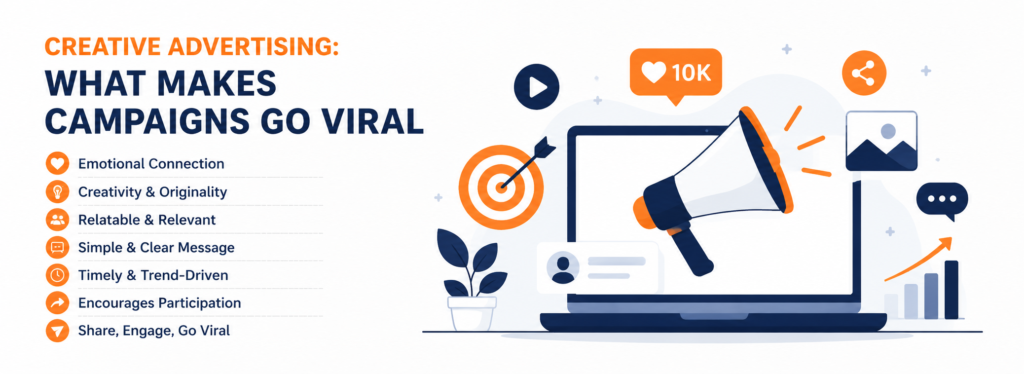
In today’s digital landscape, advertising is everywhere. From social media feeds and search engines to streaming platforms and websites, consumers are constantly exposed to promotional content. However, only a small percentage of campaigns truly capture attention and go viral.
Viral advertising is not just about luck—it is a combination of creativity, strategy, timing, and understanding human behavior. Campaigns that go viral have the power to reach millions, generate massive engagement, and create lasting brand impact. But what exactly makes an advertising campaign go viral?
Understanding Virality
Virality occurs when content is rapidly shared by a large number of people. Unlike traditional advertising, which relies heavily on paid promotion, viral campaigns grow organically through shares, likes, comments, and word-of-mouth.
At its core, virality is driven by one key factor: people want to share content that resonates with them. This could be because it is entertaining, emotional, relatable, or surprising.
The Role of Emotion
Emotion is one of the most powerful drivers of viral content. Campaigns that evoke strong emotions are more likely to be shared.
Common emotions that drive virality include:
- Joy and humor
- Inspiration and motivation
- Surprise and curiosity
- Empathy and connection
For example, a funny ad can make people laugh and share it with friends, while an emotional story can create a deeper connection and encourage sharing.
The stronger the emotional response, the higher the chances of virality.
Creativity and Originality
In a crowded digital space, creativity is what makes a campaign stand out. Unique and original ideas capture attention and spark interest.
Creative advertising often involves:
- Unexpected concepts
- Innovative storytelling
- Unique visuals or formats
Audiences are more likely to engage with content that feels fresh and different. Repetitive or generic ads, on the other hand, are easily ignored.
Relatability and Cultural Relevance
Content that reflects real-life situations or cultural trends tends to perform well. When people see something they can relate to, they are more likely to engage and share.
This includes:
- Everyday experiences
- Current trends or memes
- Social issues
However, it is important for brands to approach cultural topics carefully and authentically. Misalignment can lead to negative reactions.
The Power of Simplicity
Viral campaigns are often simple and easy to understand. Complex messages can confuse the audience and reduce engagement.
A clear and straightforward idea ensures that:
- The message is quickly understood
- The content is easily shareable
- The impact is immediate
Simplicity makes it easier for audiences to connect with the campaign.
Timing and Trends
Timing plays a crucial role in virality. Launching a campaign at the right moment can significantly increase its reach.
For example:
- Aligning with trending topics
- Leveraging seasonal events
- Responding to current events
Brands that act quickly and stay relevant have a higher chance of creating viral content.
Platform Optimization
Different platforms have different content formats and audience behaviors. A campaign that works on one platform may not perform the same on another.
For example:
- Short videos perform well on Instagram Reels and TikTok
- Informative content works better on LinkedIn
- Visual storytelling thrives on YouTube
Optimizing content for each platform increases its chances of success.
Encouraging User Participation
Many viral campaigns involve audience participation. When users are encouraged to create, share, or interact with content, it increases engagement and reach.
Examples include:
- Challenges and hashtags
- Contests and giveaways
- User-generated content
Participation makes the audience feel involved and turns them into active promoters of the campaign.
The Role of Influencers
Influencers play a significant role in amplifying campaigns. Their reach and credibility can help content spread quickly.
Collaborating with the right influencers ensures that the campaign reaches the target audience effectively. Micro-influencers, in particular, often have highly engaged communities.
Balancing Creativity with Strategy
While creativity is essential, it must be supported by a solid strategy. A viral campaign should align with the brand’s goals and message.
Key considerations include:
- Target audience
- Brand identity
- Campaign objectives
A campaign that goes viral but does not connect to the brand may generate attention but not meaningful results.
Measuring Success
To understand the impact of a viral campaign, businesses need to track performance metrics such as:
- Views and reach
- Shares and engagement
- Website traffic
- Conversions
These insights help evaluate the effectiveness of the campaign and guide future strategies.
Conclusion
Viral advertising is a powerful tool that can elevate a brand’s visibility and impact. While there is no guaranteed formula for virality, certain elements consistently contribute to success—emotion, creativity, relatability, simplicity, and timing.
The most successful campaigns are those that connect with people on a human level while staying true to the brand’s identity.
In the end, going viral is not just about reaching a large audience—it is about creating meaningful and memorable experiences that people want to share.
